In oral surgery, periodontics, and implantology, the quality of soft tissue management often determines healing outcomes, esthetic results, and long-term stability. Tissue forceps play a central role in this process, enabling precise grasping, stabilization, and manipulation of delicate tissues with minimal trauma. Among the instruments trusted by specialists worldwide are those produced by Helmut Zepf Medizintechnik GmbH, a German manufacturer with more than a century of expertise in surgical and dental instrumentation.
A Legacy of German Craftsmanship
Helmut Zepf was founded in 1921 in Seitingen-Oberflacht, Germany, by Isidor Zepf and his daughter Rosa, one of the earliest female surgical instrument makers. The company remains a family enterprise now in its fourth generation under Patrick Zepf. Located in the Tuttlingen medical technology region, Zepf has long collaborated with leading clinicians to refine instrument designs for real-world surgical demands. Every instrument is manufactured in Germany from high-grade surgical stainless steel, emphasizing balance, tactile feedback, durability through repeated sterilization, and precise working geometries.
The Tissue Forceps Collection
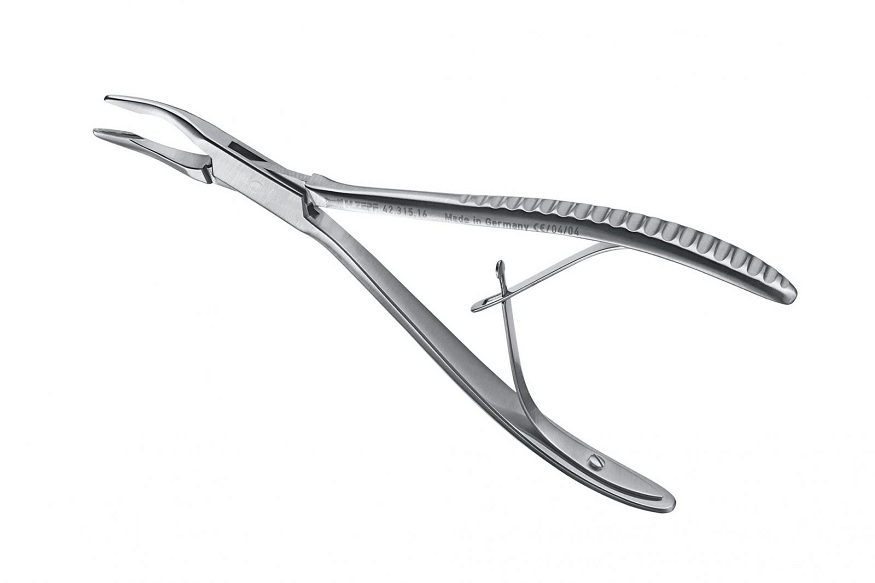
The Helmut Zepf tissue forceps range includes classic and specialized patterns suited to modern microsurgical and periodontal techniques. Key designs commonly featured include:
- Adson and Micro-Adson tissue forceps in various lengths, typically with 1×2 teeth for secure yet controlled grip.
- Micro tissue forceps in the ZEPF-Line series, often equipped with guidance pins for enhanced stability and control during fine dissection or flap management.
- Options with curved tips, diamond-coated working ends for improved grip on slippery tissues, and fine spring mechanisms.
- Atraumatic and specialized variants developed for implant soft-tissue grafting, papilla preservation, and delicate periodontal procedures.
These instruments prioritize reduced tissue trauma while maintaining reliable hold, making them suitable for flap elevation, suturing support, graft handling, and microsurgical applications. Ergonomic handles and balanced construction help minimize operator fatigue during longer procedures.
Bridging German Manufacturing and U.S. Practices
Historically, authentic European surgical instruments could involve multi-layered distribution that increased cost and delayed availability for American clinicians. Deutsche Dental Technologien addresses this by serving as the dedicated U.S. partner for Helmut Zepf (alongside Busch & Co. rotary instruments). The collaboration enables U.S. doctors to purchase genuine Helmut Zepf instruments more directly from the German factory source.
Orders are fulfilled with shipping options from Germany and a U.S. warehouse, supported by product expertise and customer service oriented toward clinical needs. This model preserves the integrity of the original manufacturing quality while improving accessibility, pricing transparency, and delivery speed for American practices. Clinicians gain confidence that the instruments they receive match the same standards used by specialists internationally, without intermediaries altering the supply chain.
Clinical Relevance
In procedures ranging from periodontal flap surgery and connective tissue grafting to implant site development and oral surgical soft-tissue management, consistent instrument performance matters. Features such as precise tooth patterns, optional diamond coatings, and guidance-pin designs contribute to better control and reduced risk of unintended tissue damage. The durability of German surgical steel further supports reliable performance across repeated autoclave cycles.
Read More: Restore your Confidence with Expert Gynecomastia Surgery in Hyderabad
For practices focused on minimally invasive and microsurgical approaches, having dependable tissue forceps that deliver predictable tactile response can streamline workflow and support improved patient outcomes.
Conclusion
Helmut Zepf tissue forceps represent a continuation of traditional German instrument-making standards applied to the specific demands of contemporary dental and oral surgery. Through the partnership with Deutsche Dental Technologien, U.S. clinicians now have a more direct pathway to these factory-produced instruments. The combination of heritage manufacturing quality and improved access offers a practical advantage for specialists who prioritize precision soft tissue handling in daily practice.